
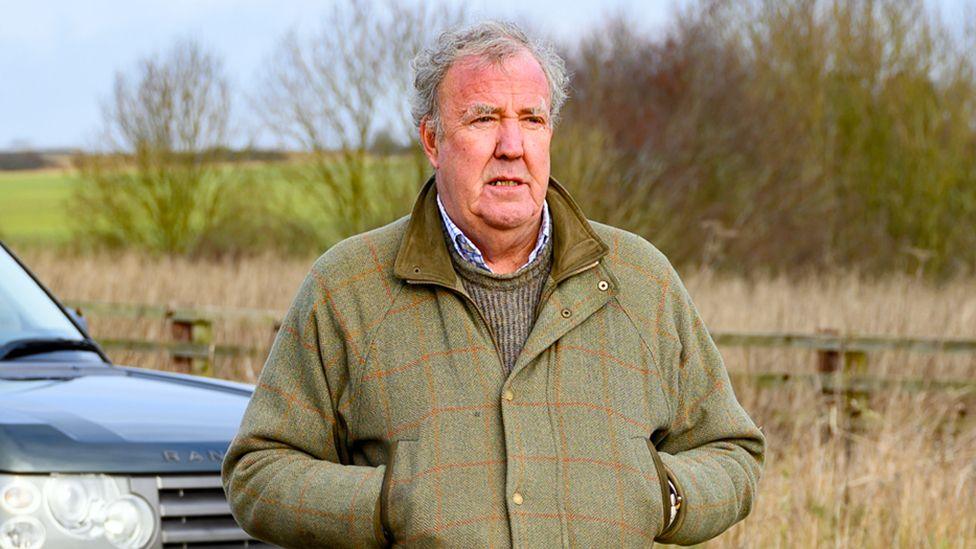
How the UK Economy Has Affected Clarkson's Farm – And Why It Matters to Every Brit
When Clarkson's Farm first aired in 2021, many viewers expected to see Jeremy Clarkson fumbling around on a tractor for entertainment. Instead, the series has become one of the UK's most eye-opening documentaries on the realities of modern farming.
Beyond the humour and spectacular scenery lies a serious story: the economic pressures facing British farmers.
From soaring fertiliser prices to rising energy bills and unpredictable weather, Clarkson's Farm has highlighted just how difficult it has become to make a living from agriculture.
Farming Has Become More Expensive Than Ever
One of the biggest themes throughout the series is the relentless rise in operating costs.
Modern farms rely on:
- Fuel
- Fertiliser
- Animal feed
- Machinery
- Seeds
- Labour
In recent years, many of these costs have increased significantly, while the prices farmers receive for their produce have often failed to keep pace. Industry analysts have warned that many UK farms are now operating in one of the toughest margin environments seen in years, with input costs rising faster than farm incomes.
For Clarkson, this has translated into repeated discussions about whether growing traditional crops is financially worthwhile.
Diversification Has Become Essential
One lesson repeated throughout Clarkson's Farm is that simply producing crops is often no longer enough to sustain a modern farm.
Instead, Diddly Squat Farm has diversified by introducing:
- The famous farm shop
- A restaurant and pub
- Merchandise
- Events
- Visitor experiences
These additional income streams reflect a broader trend across the UK, where many farmers rely on tourism, hospitality and direct-to-consumer sales to remain profitable.
Without diversification, many rural businesses would struggle to survive.
Inflation Has Changed Everything
The UK's recent period of high inflation has affected almost every industry, but farming has been particularly exposed.
Unlike many businesses, farmers cannot simply increase their prices overnight. Grain, livestock and milk prices are largely determined by national and international markets.
That means when diesel, fertiliser or electricity costs rise sharply, profit margins can disappear almost overnight.
The result is that many farms are earning less despite working just as hard.
Weather Is Now an Economic Challenge
While farming has always depended on the weather, recent years have brought more frequent extremes.
Periods of drought, heavy rainfall and heatwaves have damaged crops and reduced yields across many parts of the UK and Europe, placing even greater financial pressure on farmers.
Throughout Clarkson's Farm, viewers have seen how months of hard work can be undone by conditions entirely outside a farmer's control.
Government Policy Plays a Huge Role
Another recurring theme in the series is the influence of government policy.
Clarkson has spoken openly about issues including:
- Planning restrictions
- Environmental regulations
- Agricultural support payments
- Taxation
- Rural bureaucracy
Whether viewers agree with his views or not, the programme has sparked a national conversation about how policy decisions affect food production and the long-term future of British farming.
The UK Government has also acknowledged the need to improve farm profitability through its long-term Farming Roadmap and profitability review, recognising the challenges farmers face.
Why Clarkson's Farm Has Resonated With Millions
Perhaps the biggest achievement of the programme is that it has made farming relatable.
Before the show, many people assumed farmers simply planted crops and harvested them months later.
Instead, viewers have gained an appreciation for the constant balancing act between:
- Rising costs
- Changing regulations
- Unpredictable weather
- Falling margins
- Long working hours
- Significant financial risk
The programme has helped millions better understand why British farming remains one of the country's most challenging industries.
What Does the Future Hold?
There are reasons to be optimistic.
Technology, precision agriculture and direct-to-consumer sales are creating new opportunities, while growing public interest in locally produced food is helping many farms build stronger relationships with customers.
However, challenges remain.
Rising labour costs, continued pressure on input prices and increasingly volatile weather mean many farm businesses will need to keep adapting to survive.
Final Thoughts
Clarkson's Farm is no longer just a television programme about Jeremy Clarkson learning to farm.
It has become one of the clearest windows into the economic realities facing British agriculture.
Behind every loaf of bread, every pint of milk and every Sunday roast is a farmer managing rising costs, uncertain weather and constantly changing market conditions.
Whether you're a fan of Jeremy Clarkson or simply interested in where your food comes from, the series serves as a reminder that the health of Britain's farming industry is closely tied to the wider economy—and that supporting local producers has never been more important.
City Lynx Admin